
Discover the Traditional Food of Rajasthan and Its Taste

A Guide to the Most Famous Street Food in Udaipur You Must Try
November 3, 2025
Agra Food Guide for First-Time Visitors: What to Eat & When
November 25, 2025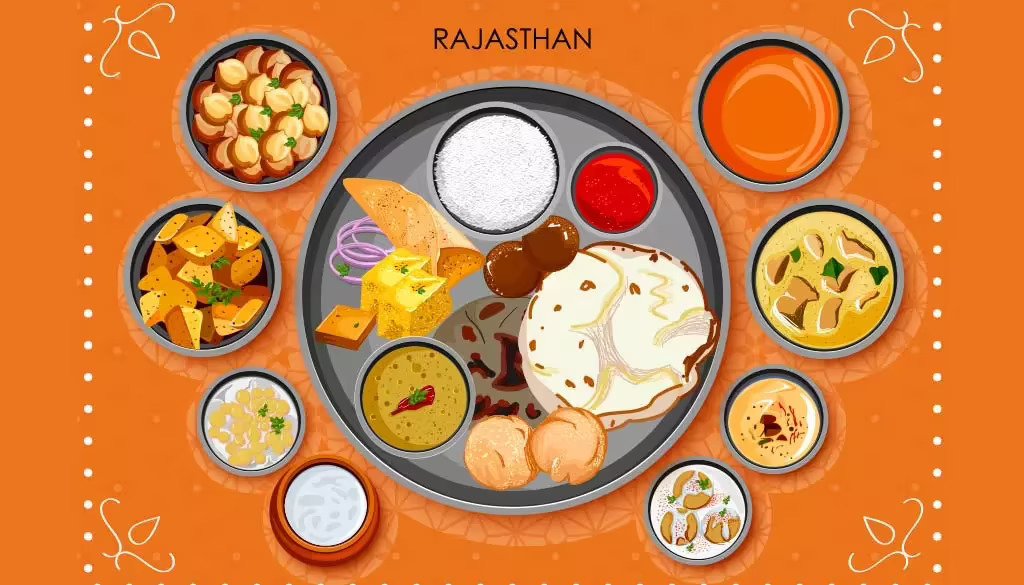
Rajasthan, the “Land of Kings”, is not only known for its grand forts, colourful festivals, and desert landscapes but also for its traditional food that reflects the spirit of resilience and royalty. The traditional food of Rajasthan is shaped by its arid climate, royal heritage, and age-old culinary ingenuity. Every bite tells a story—of warriors, deserts, and royal feasts that have been passed down for centuries.
In this article, we’ll take a flavourful journey through the Rajasthan food culture, explore the food habits of Rajasthan, and savour the most famous dishes of Rajasthan that continue to define Rajasthani cuisine today. Whether you’re exploring the state’s iconic dishes like Dal Baati Churma, Laal Maas, or Gatte ki Sabzi, or joining one of the best culinary tours in India, Rajasthan offers a rich taste of history and tradition that captivates every food lover.
The Essence of Rajasthan Food Culture
The Rajasthan food culture is deeply rooted in history and geography. The harsh desert environment, scarcity of water, and long-lasting wars influenced how Rajasthani people cooked and preserved their meals. Food had to last long without refrigeration and remain nutritious in the hot, dry climate. As a result, the traditional food of Rajasthan relies heavily on grains like millet (bajra), wheat, and gram flour (besan), along with dried lentils and curd-based gravies.
Cooking here is not just sustenance—it’s art and identity. The Rajasthan food culture is marked by simplicity blended with sophistication. It is a fusion of flavours, where tangy, spicy, and savoury elements meet earthy ingredients like ghee, gram flour, and red chillies. Even vegetarian dishes in Rajasthani cuisine have a royal touch, making them as grand as any non-vegetarian fare.
Food Habits of Rajasthan: A Reflection of Climate and Culture
The food habits of Rajasthan are closely tied to the state’s desert terrain. Because fresh vegetables are not always available, locals learnt to use dried ingredients, pulses, and dairy to create hearty meals. Ghee plays a crucial role, not just for flavour but also as a preservative.
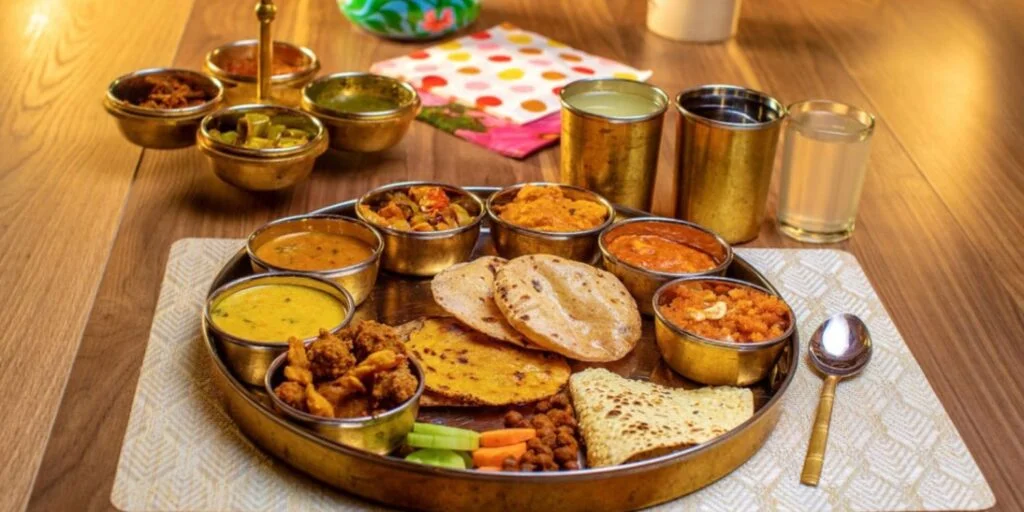
Meals are traditionally served on large thalis (platters), often comprising several small bowls filled with curries, chutneys, lentils, and sweets. Morning meals are rich in energy, often including bajra roti, curd, and pickles. Lunch and dinner feature lentils, spicy curries, and bread varieties like missi roti or tandoori roti made with whole grains.
The food habits of Rajasthan also emphasise hospitality. Guests are treated like gods, and no meal is complete without generous servings of sweets and buttermilk. Eating together in large family settings, with everyone sharing from the same thali, still remains a cherished tradition.
The Heart of Rajasthani Cuisine: Flavors, Ingredients, and Spices
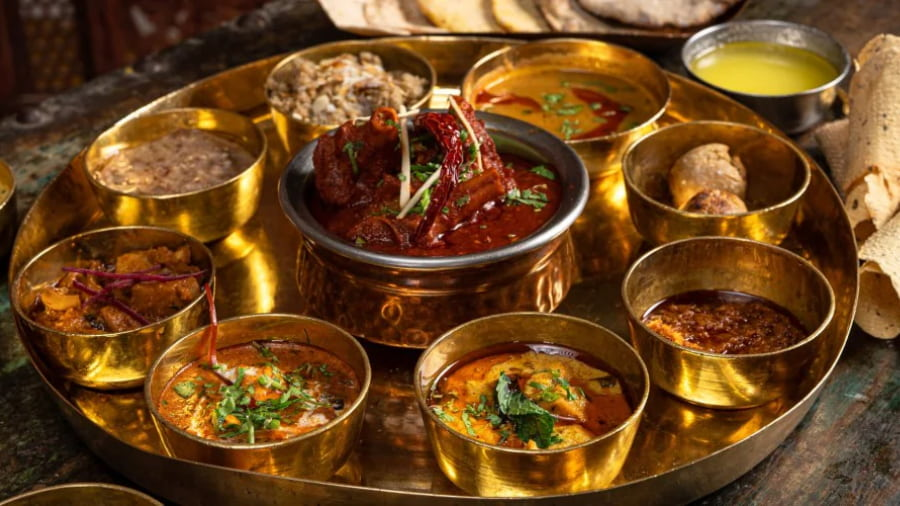
When you taste the traditional food of Rajasthan, you immediately notice its bold, fiery flavours. The abundant use of red chilli, turmeric, asafoetida (hing), and coriander gives Rajasthani food its distinct character. These spices not only enhance taste but also aid digestion and preserve the food in hot climates.
Ghee (clarified butter) is another signature element of Rajasthani cuisine. Whether it’s a simple roti or a royal dessert, ghee adds richness and depth. Dried lentils (moong dal, moth dal), buttermilk, and curd-based gravies help balance the spice and heat.
Unlike other Indian cuisines that rely heavily on fresh vegetables, traditional Rajasthani food often uses dried beans, curds, and flours as main ingredients. This style evolved from the need to create tasty meals that could last for days in the desert.
Famous Dishes of Rajasthan: A Culinary Journey Through the State
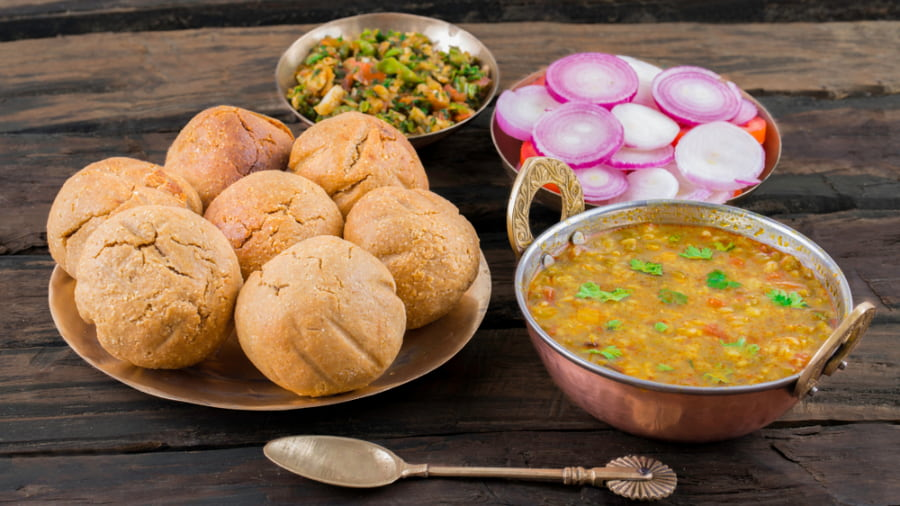
When people talk about the famous dish of Rajasthan, one name always tops the list—Dal Baati Churma. This dish is the soul of Rajasthani cuisine. The combination of baked wheat balls (baati), spicy lentils (dal), and sweet crumbled wheat (churma) perfectly represents the region’s balance of flavours—spicy, savoury, and sweet.
But that’s just the beginning. The state’s famous food includes an incredible range of delicacies that vary across regions:
1. Dal Baati Churma
No discussion on Rajasthan’s famous food is complete without mentioning this iconic dish. Baati is baked over wood or charcoal until it turns golden and crisp, then dipped in ghee. It’s served with tangy lentil curry and churma, a sweet mix of wheat, jaggery, and ghee.
2. Gatte ki Sabzi
A staple in the traditional food of Rajasthan, Gatte ki Sabzi features gram flour dumplings cooked in a curd-based gravy flavoured with spices. It’s simple, hearty, and perfect with roti or rice.
3. Ker Sangri
Unique to the desert regions, Ker (wild berries) and Sangri (bean pods) are dried vegetables cooked with spices and curd. This dish embodies the essence of the Rajasthan food culture, turning scarce desert produce into a delicacy.
4. Laal Maas
For non-vegetarian lovers, Laal Maas (Red Meat) is the king of royal Rajasthani food. Traditionally made with mutton, it’s cooked in a fiery red chilli gravy with yoghurt and garlic. This dish originated in royal kitchens and remains a highlight of Rajasthani feasts.
5. Mohan Maas
Another gem from the royal Rajasthani food repertoire, Mohan Maas is a milder mutton curry infused with milk, cream, and mild spices—showcasing the opulence of royal dining.
6. Panchmel Dal
Known as Panchratna Dal, this dish blends five types of lentils cooked together with ghee and spices. It’s a must-try if you want to experience the nourishing side of Rajasthani cuisine.
7. Bajre ki Roti with Lehsun Chutney
The humble millet bread paired with spicy garlic chutney captures the simplicity of traditional Rajasthani food. It’s a staple in rural households, full of rustic flavours and nutrition.
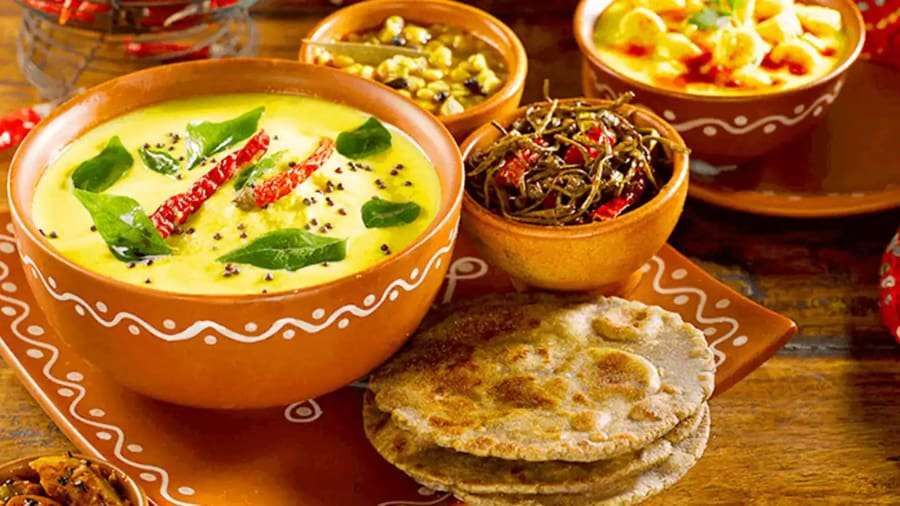
8. Papad ki Sabzi
An innovative dish where papads (thin lentil crisps) are cooked in curd gravy with spices. It’s a classic example of creativity in Rajasthan food culture, born from the scarcity of vegetables.
9. Rajasthani Kadhi
Unlike the lighter North Indian kadhi, this one is thicker and spicier. The tang of curd and punch of spices make it a comforting part of the food habits of Rajasthan.
10. Sweets and Desserts
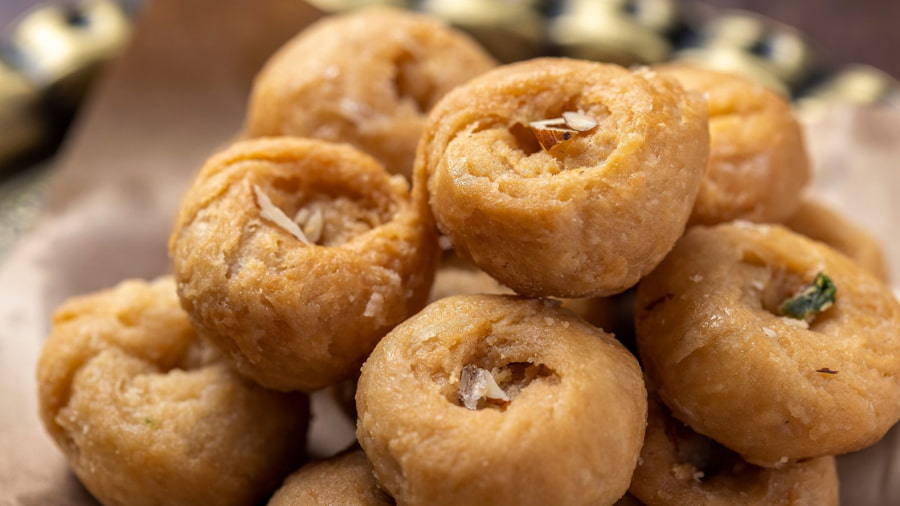
Rajasthani desserts deserve their own spotlight. Ghewar, Mawa Kachori, Churma Ladoo, and Malpua are some of the famous Rajasthani food items that complete every festive occasion. The lavish use of ghee, dry fruits, and sugar in these sweets reflects the state’s royal indulgence.
Royal Rajasthani Food: A Glimpse into the Palaces
Rajasthan’s royal heritage has left a lasting mark on its cuisine. The royal Rajasthani food was once prepared by master chefs known as Khansamas, who cooked for the maharajas and their guests. They developed recipes that combined local ingredients with Persian and Mughal influences, creating a distinct royal fusion.
Dishes like Mohan Thal, Safed Maas, and Jungli Maas are a legacy of those times. The royal kitchens valued elaborate preparation, aesthetic presentation, and rich ingredients like saffron, dry fruits, and aromatic ghee. Even vegetarian feasts for the royals were opulent—every dish was cooked slowly to perfection.
Today, this tradition continues in heritage hotels and palace resorts that recreate the grandeur of royal Rajasthani food. Dining here isn’t just about taste—it’s about reliving history. For a more authentic connection to Rajasthan’s culinary roots, you can also join a Jodhpur Food Walk Tour, where traditional recipes, street flavours, and royal influences come together to tell the city’s delicious story.
Rajasthan Traditional Food: Regional Diversity Across the State
The traditional food of Rajasthan is not uniform—it changes with every region. For example:
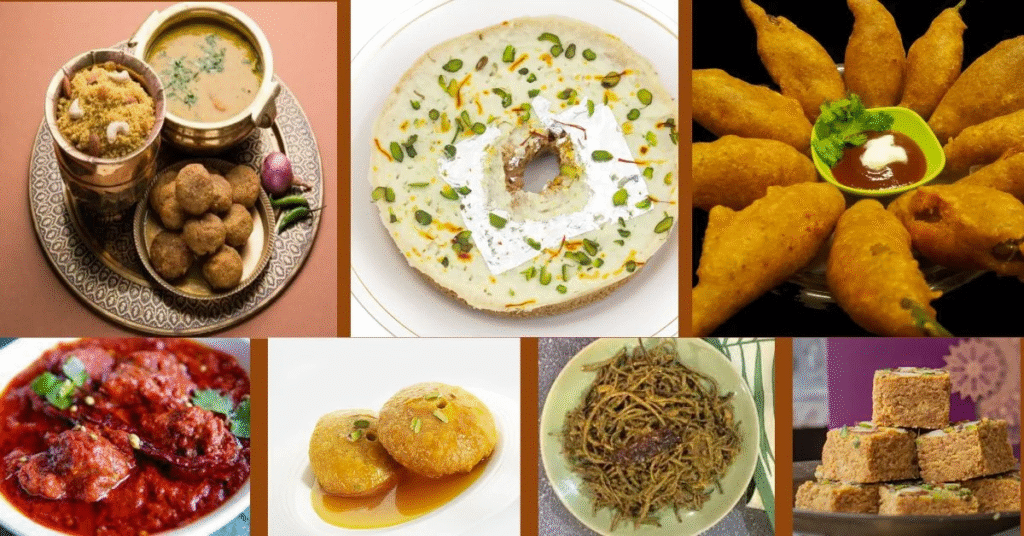
- Marwar (Jodhpur) is known for spicy dishes like mirchi vada, mewa kachori, and pyaaz ki kachori.
- Mewar (Udaipur) favours lighter curries and sweets like Ghewar.
- The Shekhawati region specialises in bajra roti, ker sangri, and besan-based dishes.
- Hadoti (Kota, Bundi) is famous for dal bafla, similar to baati but boiled and baked.
This regional diversity is what makes Rajasthan’s traditional food so rich and varied. Every city has its speciality, each representing local ingredients, festivals, and traditions.
Rajasthan Popular Food: Beyond the Traditional Thali
While the traditional food of Rajasthan forms the core of its cuisine, modern influences have also found a place on the Rajasthani plate. Street foods like kachoris, samosas, and lassi are immensely popular. Restaurants and homes now blend traditional flavours with contemporary presentations, offering visitors a delicious mix of old and new.
Yet, even today, the essence of Rajasthan’s popular food remains the same—robust, spicy, and soulful. Whether it’s a small roadside dhaba or a royal palace, the love for ghee-laden dishes and the warmth of hospitality are constants. For travellers eager to explore these flavours up close, joining a Jaipur Food Walk Tour is one of the most immersive ways to experience Rajasthan’s culinary heritage, street delicacies, and the vibrant food culture that defines the Pink City.
Why Traditional Food of Rajasthan Stands Out
There are several reasons why the traditional food of Rajasthan continues to attract travellers and food lovers:
- Sustainability – The cuisine makes brilliant use of local, seasonal, and drought-resistant ingredients.
- Flavour and Variety – From fiery curries to sweet churma, there’s a perfect balance of tastes.
- Cultural Identity – Each dish carries centuries of tradition and symbolises Rajasthan’s pride.
- Health and Nutrition – Despite being rich in ghee, many dishes are high in fibre and protein due to grains and lentils.
- Royal Heritage – The royal influence elevates even simple dishes into gourmet experiences.
Conclusion
The traditional food of Rajasthan is more than a collection of recipes—it’s a living heritage. It narrates stories of survival in the desert, royal extravagance, and the creativity of common households. From Dal Baati Churma to Laal Maas, every dish is a celebration of colour, spice, and culture.
Exploring Rajasthan food culture is like travelling through time, tasting centuries of history preserved in each bite. Rajasthan’s famous food is not just famous within India but globally admired for its authenticity, bold flavours, and cultural depth.
If you ever visit the state, don’t miss the chance to experience this culinary legacy firsthand. Sit down with a traditional thali, enjoy the royal hospitality, and savour the magic of the traditional food of Rajasthan—a taste that’s as timeless as the land itself.
